6-Phase Claude Code Workflow Used by Cloudflare Engineers
Learn the 6-phase Claude Code workflow from a Cloudflare engineer: research, planning, annotation cycles, and iterative feedback for better AI coding.
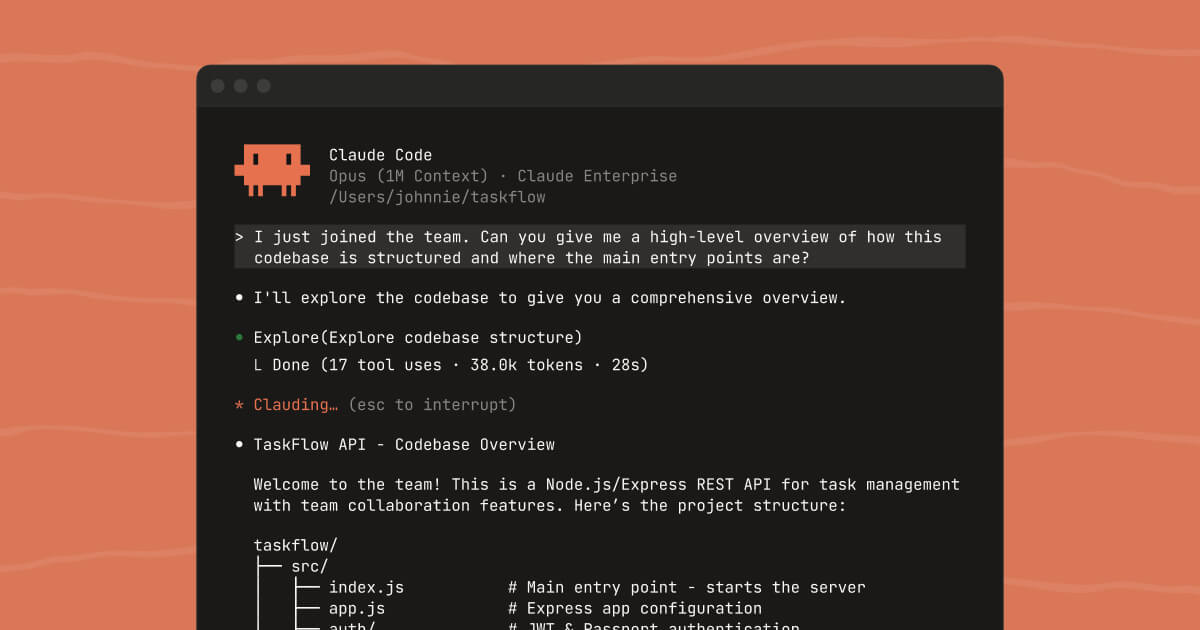
Claude Code is Anthropic's agentic coding assistant that lives in your terminal.
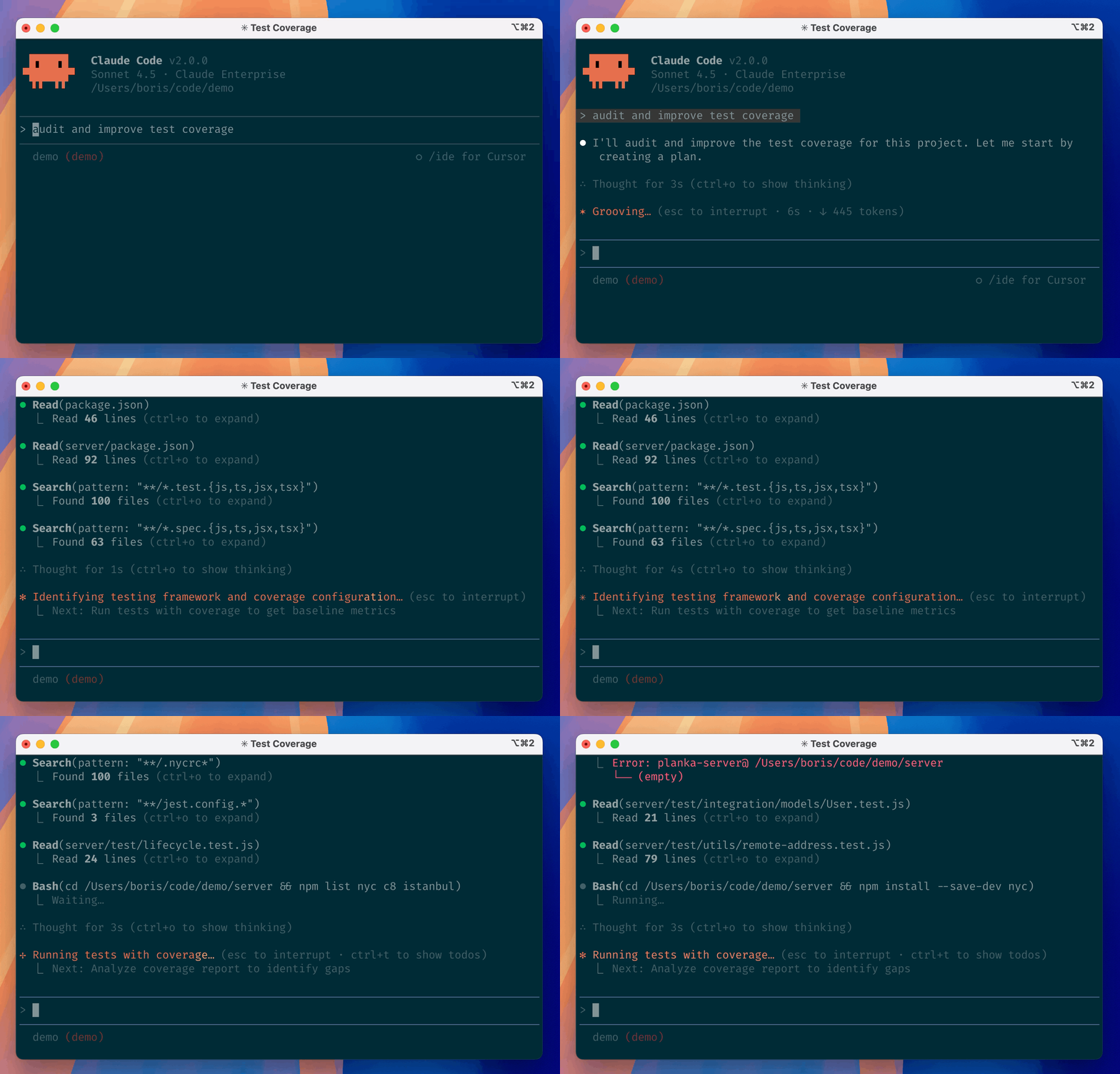
Claude Code in action — understanding codebases and executing tasks through natural language.

Cloudflare — where the 6-phase structured Claude Code workflow was developed by engineers.
There is something genuinely valuable about reading how working engineers actually use Claude Code in production. Not the official docs, not marketing demos, but real workflows refined through daily use on real codebases.
A recent guide by a Cloudflare engineer caught our attention. It lays out a structured, 6-phase approach to using Claude Code that turns it from a glorified autocomplete into a disciplined development partner.
The 6 phases
Phase 1: Research
Before writing a single line of code, ask Claude Code to deeply read a specific directory or module and produce a detailed report in a research.md file. This is not a skim. The goal is a thorough understanding of what exists, how it fits together, and what the entry points are.
Phase 2: Planning
Based on that research output, generate a detailed plan.md. This plan should cover what needs to change, the order of operations, and any edge cases or constraints that surfaced during research.
Phase 3: Annotation cycle
This is where the workflow gets interesting. Instead of accepting the plan and moving on, you annotate it directly. Leave comments, questions, and requirements right inside plan.md, then ask Claude Code to revise. Repeat this cycle until the plan actually reflects what you want.
This phase is critical because it catches misunderstandings before they become wrong code. Most people skip this and pay for it later.
Phase 4: Todo list
Once the plan is locked, generate a concrete todo list from it. This breaks the work into discrete, trackable steps that both you and Claude Code can reference during implementation.
Phase 5: Implementation
Execute against the plan and todo list. Because the research and planning were thorough, implementation is more focused and produces fewer surprises.
Phase 6: Feedback and iteration
After the initial implementation, give short, targeted feedback and let Claude Code iterate. No need for long explanations. Direct corrections and refinements keep the momentum going.
Why this matters
Two phases stand out as especially underused in most people's workflows:
- The annotation cycle (Phase 3) turns planning from a one-shot prompt into a genuine back-and-forth negotiation. You stop hoping the AI understood you and start verifying it.
- The feedback loop (Phase 6) treats the first implementation as a draft, not a final product. Short commands and quick iterations beat long upfront specifications.
The broader takeaway is that this workflow is not Claude Code-specific. Any AI coding agent can follow the same pipeline from research to iterative feedback. The discipline is in the structure, not the tool.
How Claude Grimoire helps
If you adopt a phased workflow like this, you will end up with reusable commands, agents, and pipelines. Claude Grimoire gives you a visual way to manage exactly that: save your research prompts as commands, build agent chains for planning, and create pipelines that run the full sequence.
Instead of remembering the right prompts each time, you build them once and reuse them across projects.